
Data, files and algorithms checkpoint
Additional challenges
If you have completed the techniques in this section, choose something that lets you use them in a different way while classmates catch up or consolidate. The choices range from games and simulations to open data work and algorithm experiments. They are optional practice, not the checkpoint assessment.
Choose a mode
Build a game, run a simulation, explore your own data, investigate an algorithm or design a stack/queue system. The tasks are deliberately not all the same kind of challenge.
Still catching up?
Use this time to finish or revisit technique challenges instead of starting additional work before the underlying ideas are secure.
Checkpoint assessment
Your teacher gives the controlled paper assessment in class when the section is complete. Its result is recorded separately from your online practice evidence.
Challenges Choose one
Choose a challenge that feels appropriate for you. Code heat is only a rough estimate, not a fixed level.
Blackjack
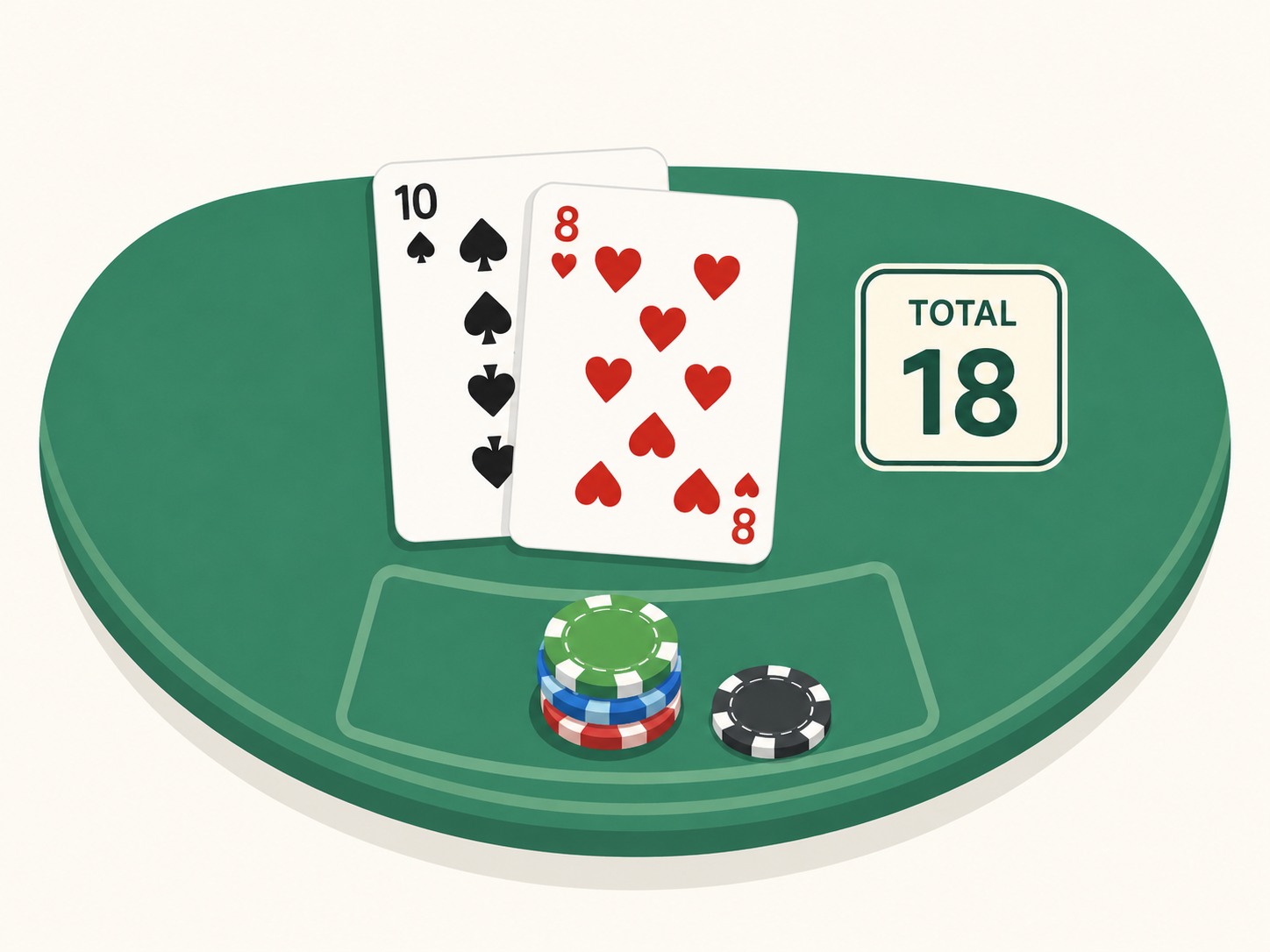
SelectedCreate a game of Blackjack between the player and computer. Store each hand in an array or ArrayList. Deal two cards to each side, allow the player to twist or stick, make the dealer draw below 16, treat picture cards as 10 and handle an ace as 1 or 11. The closest valid total to 21 wins. Separate card generation, hand value and turn logic into methods.
A good choice if you want to combine collection processing with a familiar game loop.
National Lottery Simulation
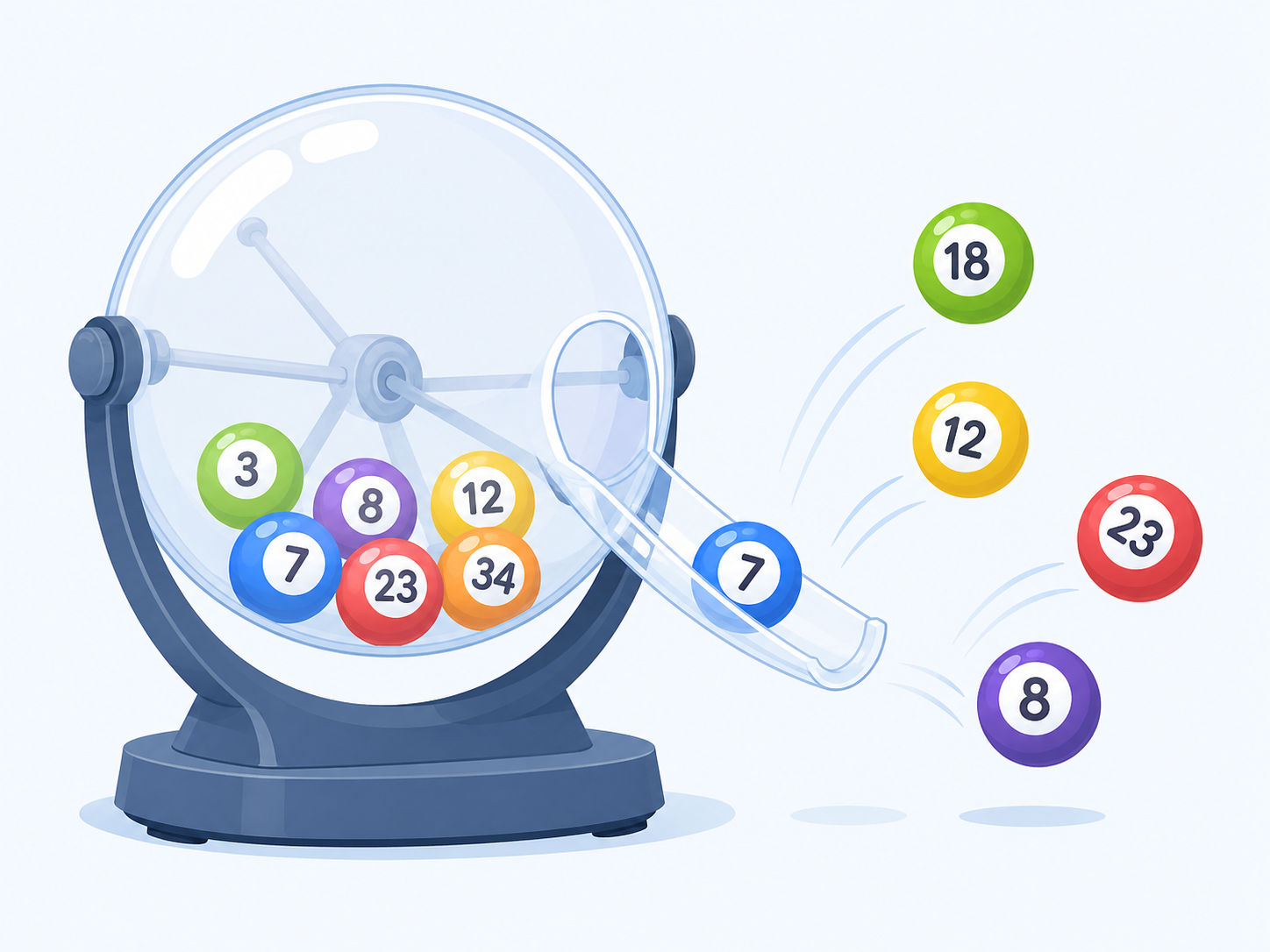
SelectedAllow a player to choose six unique numbers from 1 to 59. Generate six unique winning numbers and a bonus ball, then report the matches. Extend the program to simulate many draws and count how often each match category occurs. Decide how you will prevent duplicate numbers and test the program with deliberately awkward input. Do not claim that a small simulation proves the exact theoretical odds.
Useful if you enjoy randomness, repeated experiments and checking collection state.
Explore a Dataset You Care About
SelectedChoose a small text dataset about something you care about: games, songs, books, films, sports results, recipes, places or another suitable topic. Load the records into a collection and build a simple explorer that can display them and perform at least one meaningful search and one meaningful ordering operation. Use a search and sort technique from this section rather than a library sort/search shortcut for the part you are demonstrating. Explain the precondition of your search choice and the relevant Big O growth.
Keep the dataset small enough to understand by eye. The interesting part is connecting data, file processing and algorithm choice.
Algorithm Experiment
SelectedChoose one pair to investigate: linear search vs binary search, or bubble sort vs selection sort. Instrument your own implementations so they count comparisons or another clearly defined operation. Predict what will happen as input size grows, then test several input sizes and data arrangements. Present the results clearly and explain whether they match the Big O model. Do not use raw execution time as your only evidence.
This is an investigation rather than a large application. A surprising result is fine if you can explain what your measurement actually counted.
Invent a Stack or Queue System
SelectedInvent a small scenario where order genuinely matters. It might be turns in a game, jobs waiting to run, actions that can be undone, messages waiting to send, items being served or something completely different. Choose either a stack or a queue because its behaviour fits the scenario, then build a small working simulation that uses the appropriate core operations safely. Finish with a short explanation of why the other structure would behave differently.
Start from the behaviour you need, not from the data-structure name.
Recursive Mini-Lab
SelectedChoose one small problem that can be solved with simple non-branching recursion, such as summing the digits of a positive integer, reversing a string one character at a time, or counting occurrences of one character. Write both an iterative and recursive solution, hand-trace one recursive example through winding and unwinding, then compare clarity and auxiliary memory. If you invent your own problem, it must make exactly one recursive call on each recursive path.
HL only. The aim is to explore when recursion helps or merely adds call-stack overhead, not to build a huge recursive program.
Selected challenge
Write your first version by hand
Before opening your IDE, write your first attempt at this program on paper using Java. It does not need to be perfect.
TASK_CODE
Not marked complete. Mark it complete when your handwritten code is ready.
Open the challenge
Code Companion Local creates the starter file in the exact managed challenge folder and opens it in your preferred IDE. You do not need to create folders, files or run terminal commands.
Mark your handwritten code complete first.
If you are simply browsing the public course and are not using a class, complete the challenge in any editor you like. Code Companion Local is only needed for the connected classroom workflow.
Complete the challenge
Use your handwritten code as the starting point, then write and test your solution in the challenge workspace. Code Companion Local will ask you to compare the two versions before you submit.
Optional two-level scaffold
Try from your handwritten pseudocode first. Scaffold gives some structure; Scaffold + comments gives stronger guidance. Use only the level you need, and update your pseudocode first if the support changes your plan.
HL students can revisit recursion before choosing the recursive exploration →